
Research · Sep 23, 2026
Introducing Character World Model-1 (CWM-1)

A new generation of interactive avatar models for human-AI interaction
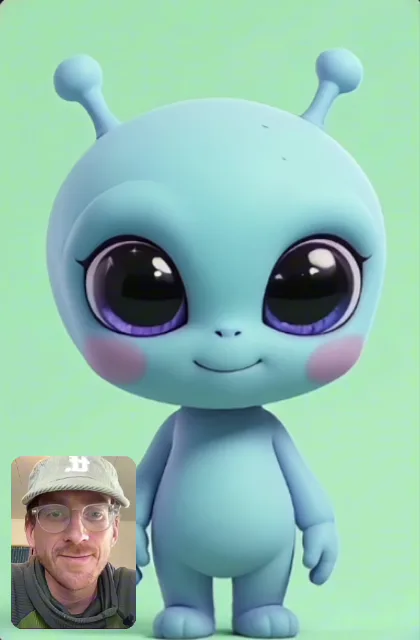
Live demo of CWM-1. Take a selfie and try it on yourself, or click on one of the characters to chat with them.
Research · Sep 23, 2026
A new generation of interactive avatar models for human-AI interaction
Live demo of CWM-1. Take a selfie and try it on yourself, or click on one of the characters to chat with them.
Today we're releasing Character World Model-1 (CWM-1), the most controllable interactive avatar model in the world. CWM-1 is a causal, few-step video diffusion transformer that generates every frame of a character — face, body, hands, and the scene around them — live, as the conversation happens. It has a built-in emotion engine that decides what the character does and feels, not just what it says. Every technical detail was optimized to create characters that are controllable and expressive.
CWM-1 is free to try, and available via API for LemonSlice Enterprise and Ultra customers.
CWM-1 is a causal video DiT, distilled down to a few steps and conditioned on actions and emotions, so it generates video of any length at higher resolution and ultra-low latency.
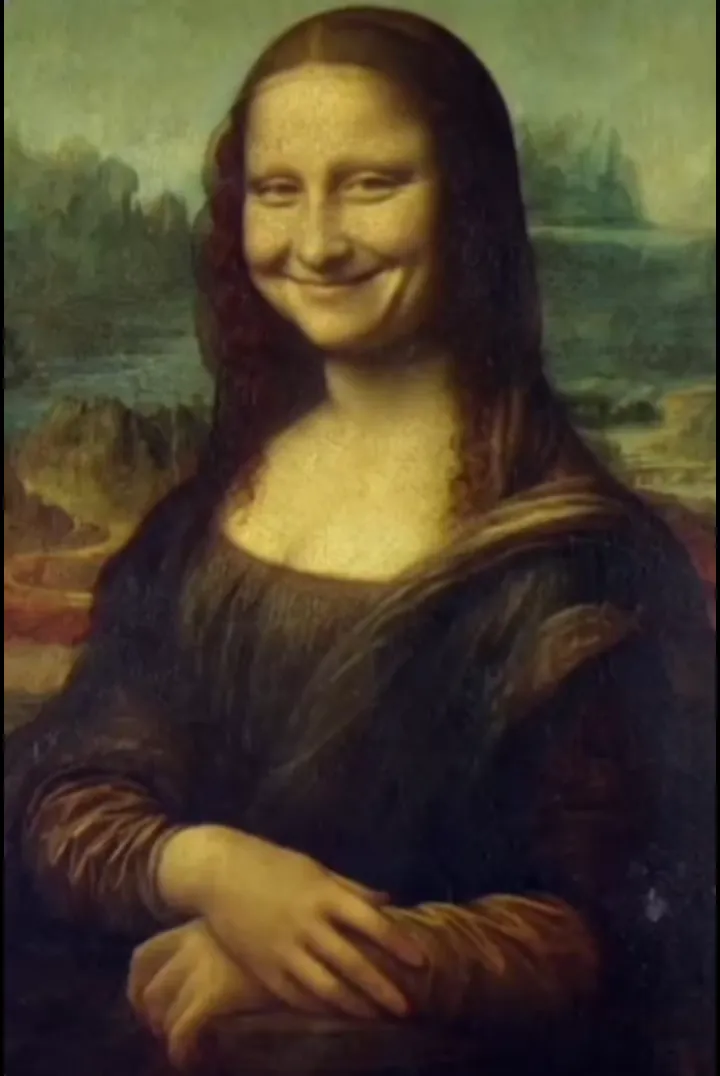
One image in. Instant live avatar. No fine-tuning or waiting.

Gestures, body language, and movement in space.
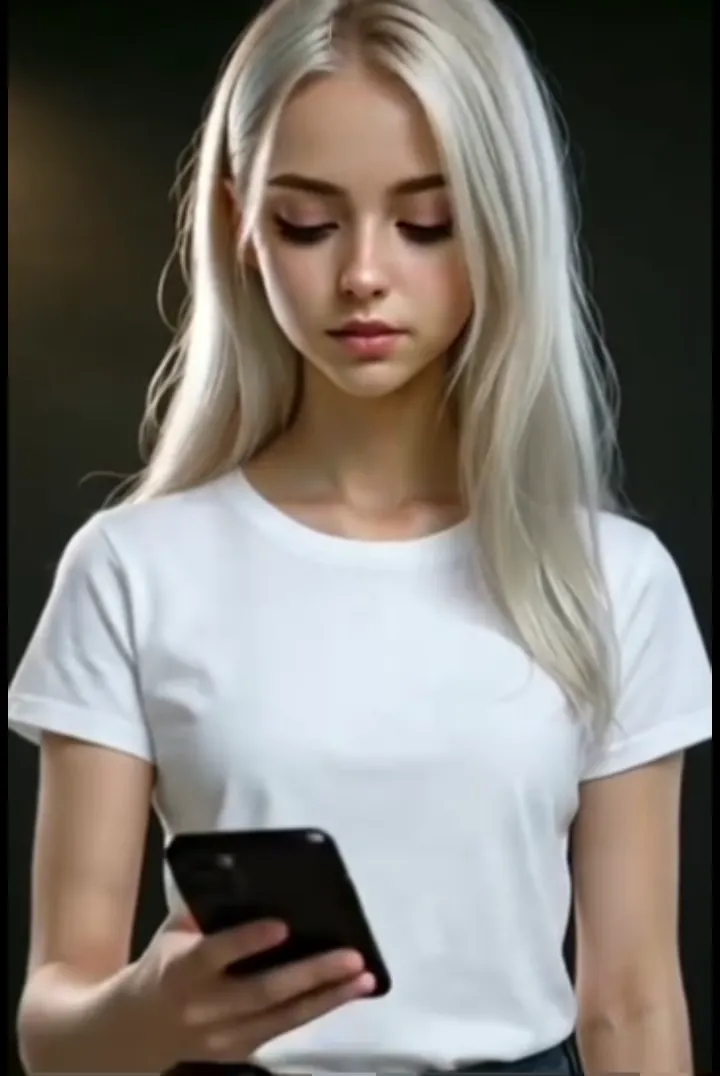
Realistic physics interactions with objects, clothing, and hair.

Actions and emotions that match the conversation.
For the last few years, “AI avatar” has meant a face that moves its lips. But that's not how people communicate. We shrug, point, lean in, fidget with our hair, glance at a phone, walk over to get something. Most of what makes a conversation feel real happens outside the mouth.
We think the next human-AI interface is a character you can talk to face to face. Why? Look at the internet as a proxy for how humans like to consume information: 82% of internet traffic is video. Most people would rather watch something than read it. We believe the future ChatGPT feels more like a FaceTime call or TikTok video than a chatbot.
To get there, an interactive avatar model has to do more than animate a face. It has to understand body language, physical environments, light, and emotion, and simulate all of them live.
That is a character world model. A Character World Model is a world model centered around a character that listens, talks, and reacts in real time. It is a more advanced technique for creating interactive avatars and it was pioneered by LemonSlice. The character feels alive — they live within a world, can move within it, and have an internal state of who they are and how they feel.
“CWM-1 is another step towards our mission of passing the avatar Turing test: a live video call where you can't tell the other side isn't a person.”
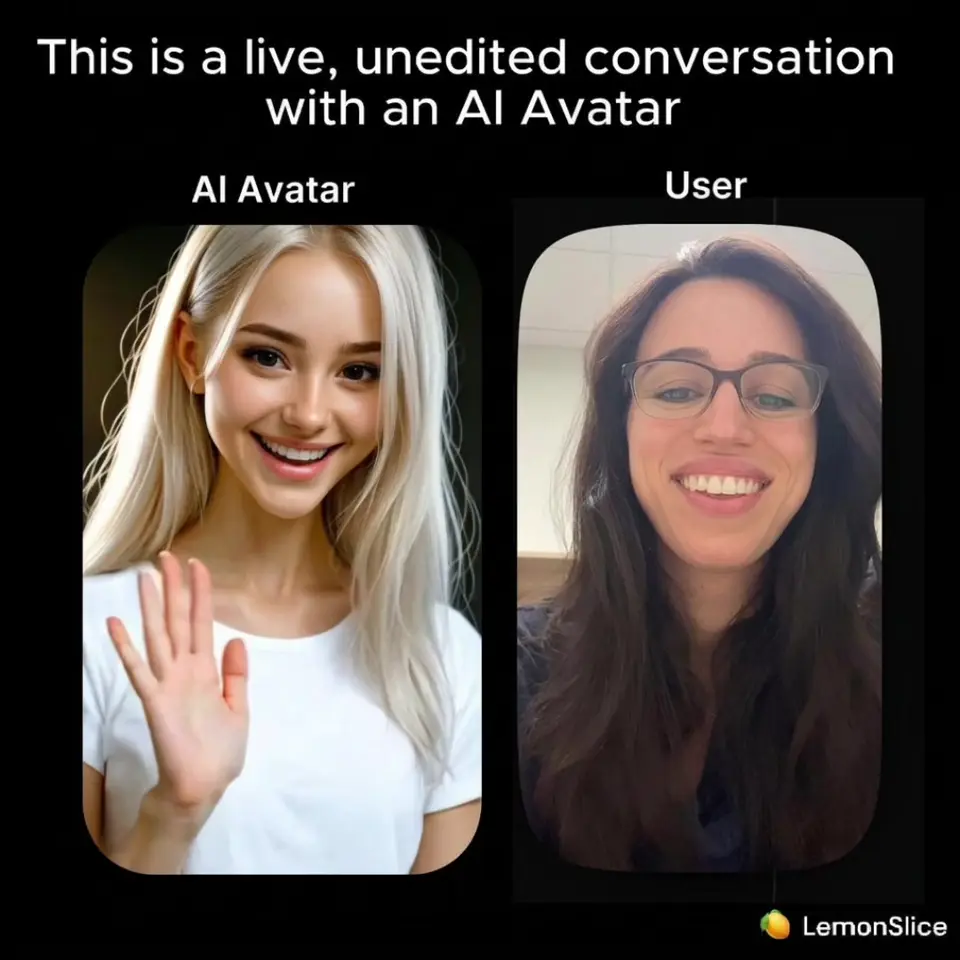
CWM-1 is an end-to-end video diffusion transformer that generates the character, their body language, and the entire scene from scratch based on the input audio and prompt. The emotion engine allows developers to control precisely what the character is doing. And it generalizes to any type of character — humans, anime, animals — and any style. Here are some features of this architectural approach:
CWM-1 animates faces, hands, shoulders, and posture for any character, with no character-specific training. Drop in a photo of yourself, an anime character, or a picture of your dog and the entire body will move.




The emotion engine controls how the character moves and acts during the conversation. Developers can turn on one of LemonSlice's default emotion engines or make tool calls to create their own.




















CWM-1 has an internal physics engine and has learned how hands move hair, fabric, and objects. Characters can adjust a collar, brush back their hair, text, or take a call.





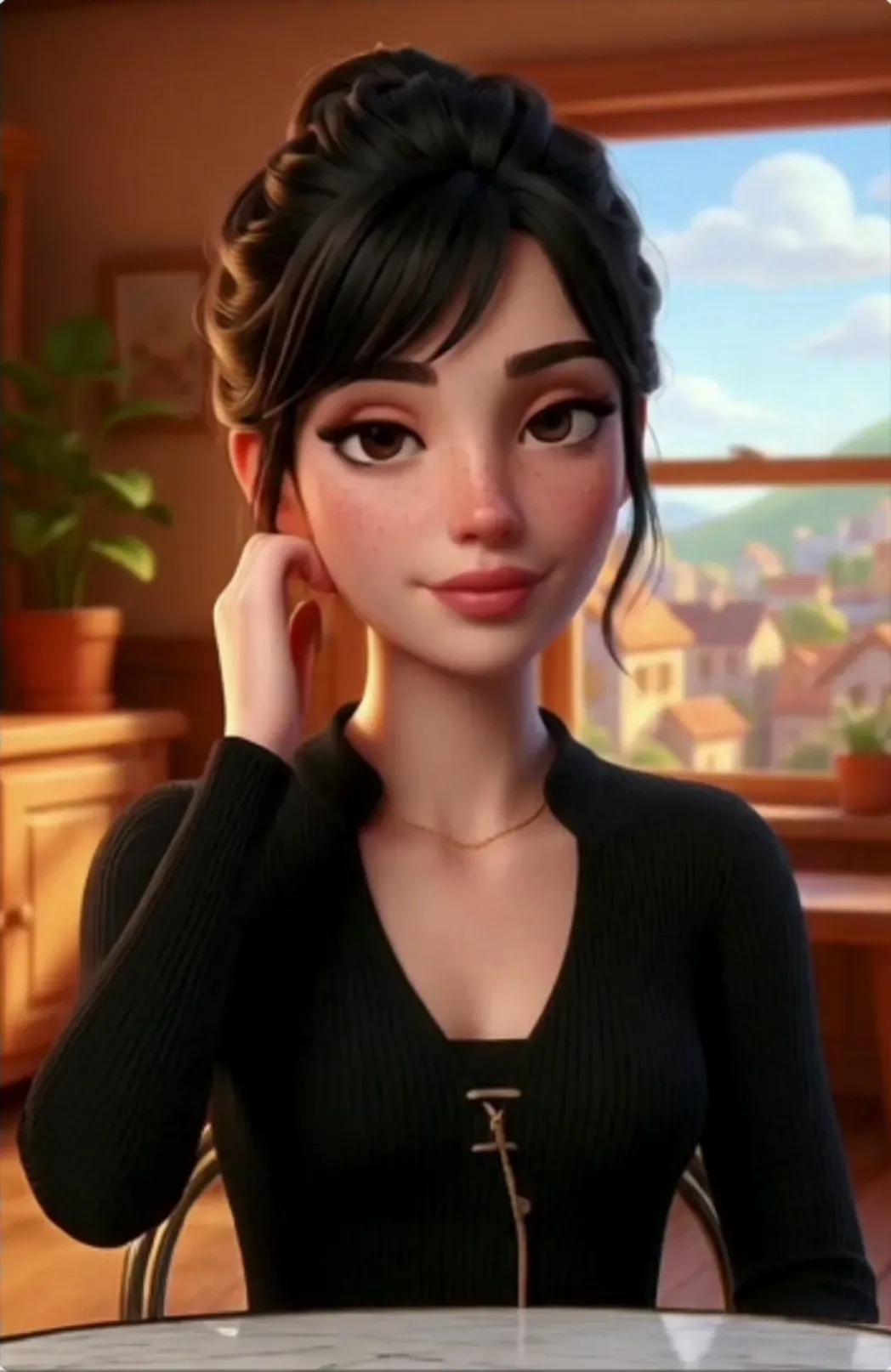
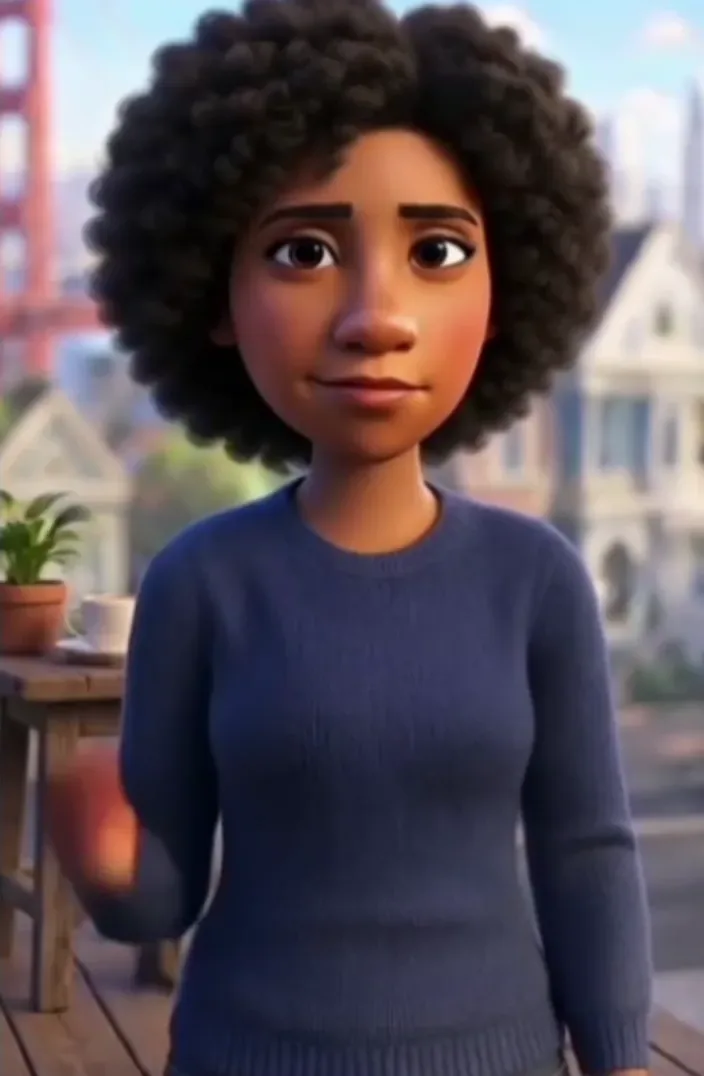
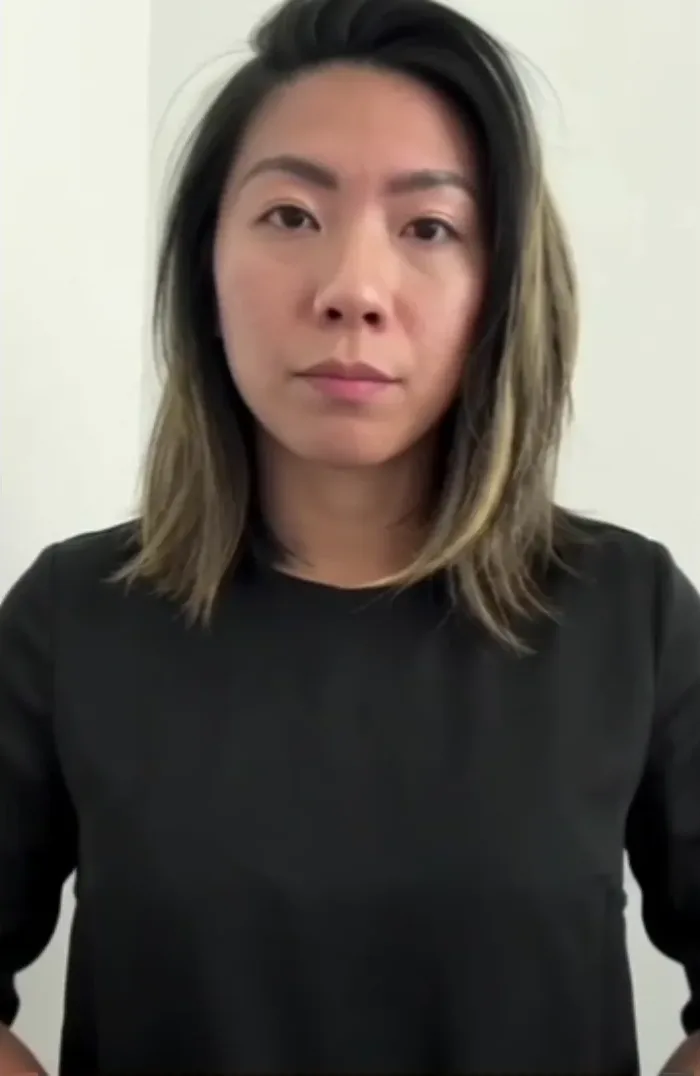
Part of CWM-1's physics engine means backgrounds that aren't frozen. Water flows, people pass by, and shadows and reflections follow the character.



Most video world models degrade within minutes. CWM-1 streams uninterrupted for 24+ hours with no visible drift.
These are live, unedited videos of a user having conversations with CWM-1 avatars.
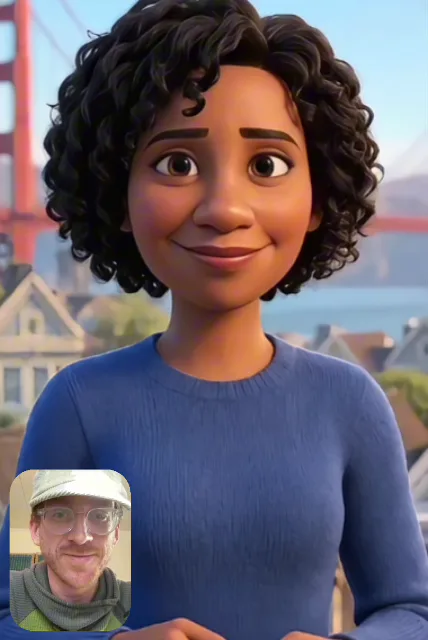
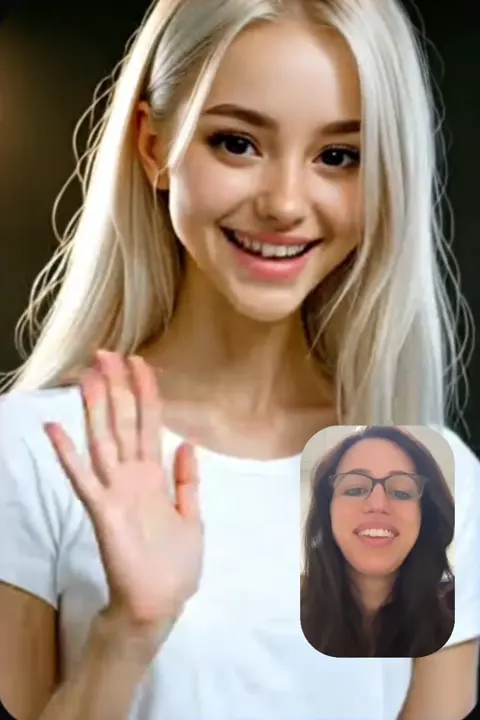
CWM-1 is causal, interactive, persistent, real-time, and emotionally resonant. Here are 5 hard problems we had to solve when building the model.
01
We train our own video DiT models. This allows us to optimize for what we care about most: natural human expression. As an example, we learned that our video's expressiveness is limited by the quality of the audio-encoders. Audio-encoders are heavily trained on audio-books. So, their emotional range is constrained. With better audio latents, we are able to achieve much more emotional range in our generated videos.
02
World models are interactive. Interactive means that the human input is responded to instantaneously. For a general video world model simulating a video-game this means that when a user presses “turn left,” the video stream immediately turns left. For a character world model this means that when a human interrupts or asks a question, the avatar responds immediately. If you interrupt our video model with a question, the model will generate response video frames in 471ms (see here for analysis).
To make the model interactive, we need to make it causal. Standard DiTs are bidirectional, meaning they look into the future and past. Our model only looks into the past. The future is adjusted in real-time based on new inputs from the world. The below is an attention mask that focuses the model to look backward (see Talking Machines for context).
03
World models are real-time. Real-time means generating video faster than it can be watched (e.g. generate 10s of video in 8s). Though, as we discussed above, interactivity is a harder constraint than just “real time.” Real-time is a necessary but not sufficient condition of world models.
To make CWM-1 real-time, we distill our model from many diffusion steps to a single diffusion step (see CausVid, Self-Forcing). This (in addition to our own version of Sparse Attention) allows us to generate new video frames faster than we are showing them to users (as seen below). This is what makes a video model “real-time”.
04
A major issue with interactive world-models today is error accumulation. During inference, we use previously generated frames for context on what should be generated next. The issue is that a newly generated frame sees the errors in the previous frames, and then adds to those errors. So, errors grow over time.
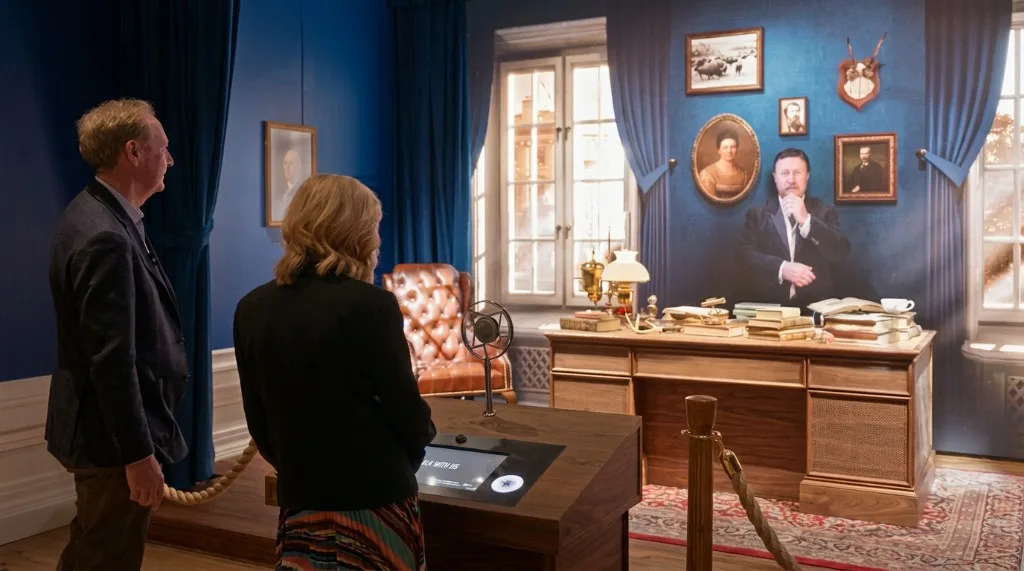
We invented a unique solution to this. The solution is at the intersection of GAN-based training and intelligent attention weighting. Our top customers regularly stream uninterrupted sessions for 8-16 hours without any noticeable error accumulation (see Teddy Roosevelt avatar at the Presidential Library).
05
To make running our model affordable (see our Lite model) and even faster, we invest heavily in optimizing our model for our hardware. Today, the cost of interactive video generation is rapidly nearing the cost of audio generation. To put that in perspective, even modest-resolution video can carry roughly 20× as much compressed data per second as speech audio.
There is not just one unlock here. But, many small ones. The biggest unlock was building custom kernels targeted at our inference bottleneck (GPU bandwidth). We also optimize our CUDA graphs, intelligently downcast tensors, cache as much as possible, optimize CPU-GPU handoffs, and much more.
The model harness orchestrates the real time interaction. At a high level, we have two separate processes that interact to stream video + audio continuously, without any stutter. The Conductor worker acts as the external interface, receiving audio packets and streaming out synched Audio/Video packets. The Performer generates the new video frames using a GPU. The most challenging part is handling changing user input: if the user interrupts, we need to adjust the video output as quickly as possible. To support this, we put huge effort into intelligently flushing the GPU + queues, without ever generating a delayed frame.
Here is the more advanced diagram.
The emotion engine is the newest addition to our model harness. The engine models the internal state of the avatar, and then predicts emotions and actions for the avatar based on this. The emotion engine bases its prediction on the avatar's audio, the transcription of that audio and user's audio.
To pass the Avatar Turing Test, we need to make Avatars more self-aware. We believe the emotion engine is a major milestone on that mission.
Sidney, our CTO, goes deeper on a lot of this in his talk at the AI Engineer World's Fair.

CWM-1 is the first model in a family. All LemonSlice users can try it in the web app with custom characters. API access is available to LemonSlice Ultra and Enterprise customers.


